The Government has announced one of the most significant changes to business rates in years - and it could be worth thousands to businesses in the retail, hospitality and leisure (RHL) sectors.
From April 2026, a new system of permanent lower business rates multipliers will replace the temporary 40% RHL relief currently in place. For many occupiers, this marks a long-term reduction in business rates liability - but only if you qualify.
What’s changing?
From 1 April 2026, two new reduced multipliers will apply to occupied RHL properties with a Rateable Value (RV) below £500,000:
A Small Business RHL Multiplier for properties under £51,000.
A Standard RHL Multiplier for properties from £51,000 up to £499,999.
These multipliers will be confirmed in the 2025 Budget next month, once the results of the 2026 revaluation are taken into account. Crucially, unlike the current RHL relief system, there will be no cash cap, meaning every eligible property within an estate can benefit - not just individual locations.
In other words, where current reliefs offer a temporary discount, this new structure provides a permanent and uncapped reduction in rates for qualifying businesses.
Who will benefit?
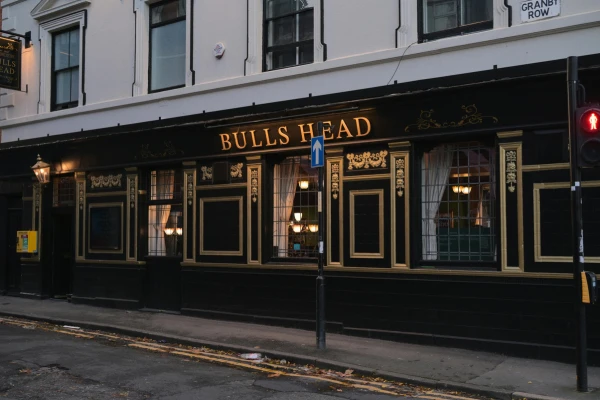
To qualify, a property must be wholly or mainly used for retail, hospitality or leisure purposes and - importantly - must be open to visiting members of the public. This includes everything from shops, cafés, pubs and hotels to gyms, cinemas and tourist attractions, as well as service-led high street businesses such as hairdressers, car repair workshops and launderettes.
Hybrid businesses that operate both in person and online may still qualify provided their core activity involves face-to-face customer interaction. For example, a shop that also sells online would be eligible; a warehouse used purely for online fulfilment would not.
Empty properties will not benefit - only occupied space can access the reduced multipliers.
Businesses that will be excluded
Certain sectors have been specifically carved out of the scheme. Financial services such as banks and insurance brokers, medical and clinical practices, professional service firms, betting shops, car parks and educational premises will not be eligible. Warehouses used primarily for online distribution are also excluded - a key point for e-commerce operators.
What makes this different from existing relief?
The most important distinction is that local authority discretion is being removed. Current RHL relief is a centrally funded scheme administered locally, meaning councils can interpret guidelines differently. The new multipliers will be legislation-based - either you meet the statutory definition, or you don’t.
That means some properties currently benefitting from relief may lose entitlement under the new regime, while others that haven’t qualified before may now fall within scope.
What should businesses be doing now?
Although the changes don’t take effect until April 2026, businesses should not wait until then to take action. Start by reviewing your RVs across your business or portfolio to identify which properties fall under the £500,000 threshold. Then assess whether each site’s core use fits within the Government’s qualifying definitions.
If you occupy multiple properties - even across regional or franchise structures - the lack of a cash cap means potential savings could be substantial. Equally, if your current classification is borderline, early preparation could prevent costly surprises later.
In reality, assessment will hinge on RVs and property usage as of that date. Which means businesses need to begin positioning now:
- If your RV is edging towards £500k - challenge it early.
- If your activity mix is drifting - document it, or rebalance it.
- If you’ve never reviewed your rateable values - now is the time.
- Expert support when it matters
- Confirm whether your properties will qualify under the new rules.
- Review and, where appropriate, challenge your rateable values.
- Help you prepare ahead of the 2026 implementation.
- Maximise your entitlement under the new multiplier structure.Don’t wait for the 2026 deadline. The sooner you understand how the changes affect your portfolio, the better positioned you’ll be to benefit. Contact the Dunlop Heywood team.